
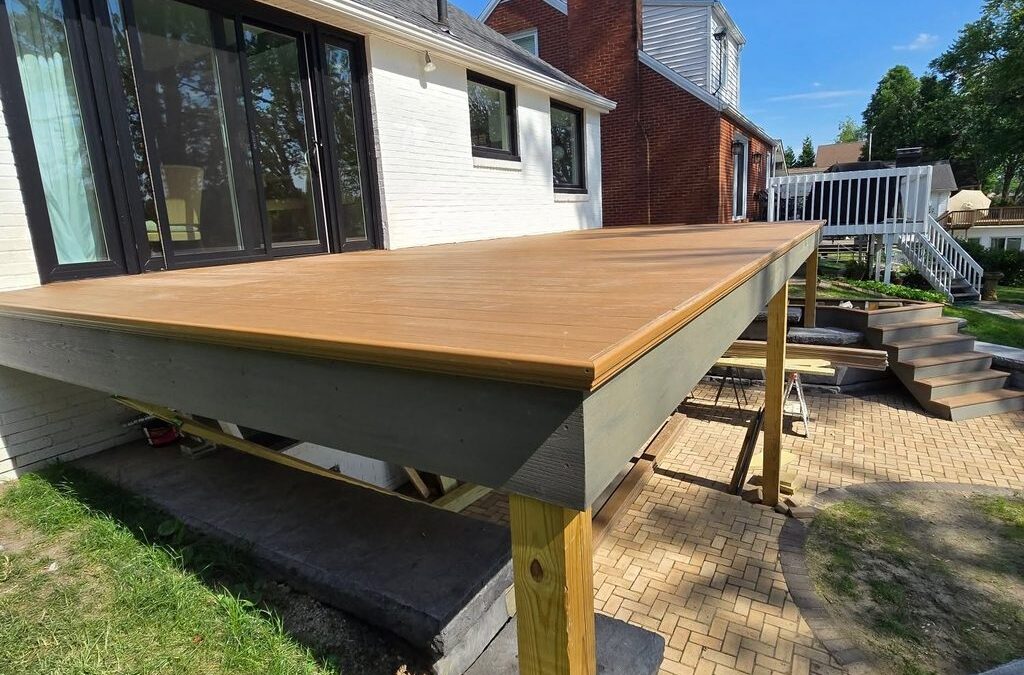
Most deck projects hit the same wall. The quote arrives, the number is bigger than expected, and the homeowner starts trimming the plan. A smaller footprint, cheaper boards, no railing upgrade, or “maybe next year.” According to figures from Angi, a professionally built deck often runs between $30 and $60 per square foot, so even a modest elevated deck can reach five figures fast.
Cutting the plan is one answer. Financing it well is another, and it gets less attention than it deserves. Many homeowners take the first offer they see, usually a contractor’s partner lender or a credit card, without realizing how many other routes exist. This guide walks through the financing options that tend to get overlooked, how to compare them, and why the way you pay matters most when the deck is built to keep the space underneath dry.

Why Financing Matters More for a Watertight Deck
A standard deck has gaps between boards, so rain falls straight through to the framing and the ground below. If you later decide you want the area underneath to stay dry, the fix is usually a second project: an under-deck drainage system installed after the fact, with its own materials and labor.
Building a sealed system from the start can help you avoid paying twice, but it also raises the upfront number. That is where financing earns its keep. Spreading a higher one-time cost over a set repayment term can be smarter than choosing a cheaper deck now and funding a retrofit later. The goal is not to borrow more. It is to borrow for the parts of the project that are hardest and most expensive to change down the road.
The Usual Options, in Brief
Before the overlooked options, a quick refresher on the common ones:
- Personal loans. Unsecured, with fixed payments and no home equity required. Rates are often higher than home equity products but are typically lower than credit cards.
- Home equity loans. A lump sum secured by your home and repaid in equal installments.
- HELOCs. A revolving line secured by your home that lets you draw as needed, which suits phased work.
- Contractor financing. Convenient and usually offered through a partner lender, and worth comparing against outside quotes.
- Credit cards. Easy to use, but typically the most expensive way to carry a large balance.
Each of these deserves a look. None of them is the whole picture.
Options Homeowners Overlook
1. Credit union home improvement loans
Credit unions are member-owned, and many offer personal loans, home equity loans, and HELOCs under one roof, often with competitive rates and modest fees. They do not always market to home improvement shoppers, so plenty of homeowners never ask. A phone call to a local credit union takes a few minutes and gives you a rate to measure every other offer against.
2. HUD Title I property improvement loans
This federally insured program works through approved lenders. The requirements are fairly strict, and deck work may be covered when it is part of a larger renovation rather than a standalone project. It will not fit every homeowner, but if your deck is one piece of a bigger remodel, ask a lender whether Title I applies.
3. Renovation mortgages
If you are buying a home or refinancing anyway, renovation products such as FHA 203(k) and Fannie Mae HomeStyle can fold the cost of improvements into a single mortgage. That can simplify the paperwork, though these loans come with their own requirements and closing costs. They make the most sense when a deck is part of a larger plan for a property you are already financing.
4. Supplier and retailer programs
If you plan to buy materials yourself, large home improvement retailers and some supply channels offer store credit or promotional financing. Read the fine print. Deferred interest offers can charge interest back to the original purchase date if the balance is not cleared in time, and the standard rate after a promotion can be high.
5. A phased build
Not everything has to be financed at once. The pieces that are hard to change later, such as framing, ledger flashing, and the sealed deck surface, are strong candidates for financing. Upgraded railings, lighting, built-in seating, and furniture can often be added later and paid for from cash flow. Phasing lowers the amount you borrow while protecting the work that is expensive to redo.
6. The tax question nobody asks
Interest on a home equity loan or HELOC may be deductible when the funds are used to substantially improve the home that secures the loan. Whether that applies to you depends on your situation and current tax rules, so it is worth a conversation with a tax professional before you choose between a secured and an unsecured loan.
How to Compare Offers Without Getting Lost
Once you have two or three quotes, line them up on the same terms:
- APR, not just the rate. APR includes fees, so it shows the real cost of borrowing.
- Term length. A longer term lowers the payment but raises total interest.
- Collateral. Home equity products put your house on the line. Personal loans do not.
- Fees and penalties. Look for origination fees, closing costs, and prepayment penalties.
- Promotional terms. Know exactly when a promotional rate ends and what replaces it.
Your credit profile affects the rates you are offered, so it helps to review your credit report before applying. It also helps to compare offers within a short period, since scoring models often treat similar inquiries as a single event.
Get the Quote Right Before You Borrow
A loan is only as accurate as the number behind it. Ask for an itemized estimate that separates board material, ledger flashing, edge and drainage components, labor, and permits, so you borrow for the real project and not a rough guess. Build in a small cushion for site surprises, such as damaged framing found at the house connection. Borrowing a little extra is not the goal, but running short in the middle of a build is the most stressful way to finance a deck.
The Bottom Line
The best financing option is the one that matches your project, your timeline, and your comfort with risk. Credit unions, renovation loans, supplier programs, phased builds, and the tax angle all deserve a look before you accept the first offer. And if your deck is meant to keep the space below dry, financing the complete system once can make more sense than paying for a retrofit later.
This article is general information, not financial, tax, or legal advice. Talk with a licensed lender or tax professional about your situation.

Before You Finance, See What You’re Financing
A loan is a big commitment, and the material it pays for should earn it. Seeing the product in person is the easiest way to know you are borrowing for the right deck.
Order your free SpaceMaker deck sample and get a physical piece of the board shipped to you at no cost and with no obligation. Feel the solid cellular PVC core, check the cap coat finish, and see the Super Seal gasket up close before you lock in a budget or a lender.
Sources: NerdWallet, The Cost to Build a Deck, Finder, Deck and Patio Financing, LendEDU, Deck Financing, MyBankTracker, Deck Loans